4 Oct 2026
Sports Toplists: Compilation Methods Across International Federations

International federations maintain sports toplists through standardized data collection protocols that draw from official match reports, timing systems, and statistical databases maintained by event organizers, and these systems have evolved to incorporate real-time inputs during major competitions held in October 2026 such as ongoing qualifiers for the 2028 Olympic cycle. Governing bodies like the International Olympic Committee establish baseline criteria for inclusion on toplists, requiring verified performance metrics from sanctioned events while excluding unofficial exhibitions or training sessions, and this approach ensures consistency across disciplines ranging from track and field to team ball sports.
Core Data Sources Used by Federations
Federations rely on networks of certified officials and electronic timing equipment to populate toplists, with organizations such as World Athletics requiring submissions through their central portal within 48 hours of event completion, whereas soccer bodies like FIFA integrate match data from confederation leagues directly into ranking algorithms that factor in opponent strength and match outcomes. Observers note that accuracy depends on cross-verification processes where multiple independent reports confirm single entries, reducing discrepancies that arise from manual scoring errors in lower-tier competitions.
Regional variations appear in how data flows reach central databases, as the Australian Sports Commission mandates digital uploads from national championships that feed into broader Oceania rankings, while European counterparts coordinate through bodies aligned with EU sports policies for unified reporting standards. These pipelines support toplists that update at fixed intervals, typically weekly or monthly depending on the sport's competition calendar, allowing athletes and teams to track positions based on accumulated points or direct performance indicators.
Verification and Update Cycles
Update cycles incorporate safeguards against incomplete records, with federations conducting periodic audits that compare submitted data against broadcast footage and official score sheets, and such reviews occurred ahead of October 2026 international windows to prepare accurate standings for year-end reviews. Those who administer these systems apply weighted formulas that account for event prestige, where results from world championships carry higher value than regional meets, yet all entries must meet minimum participation thresholds to qualify for toplist consideration.
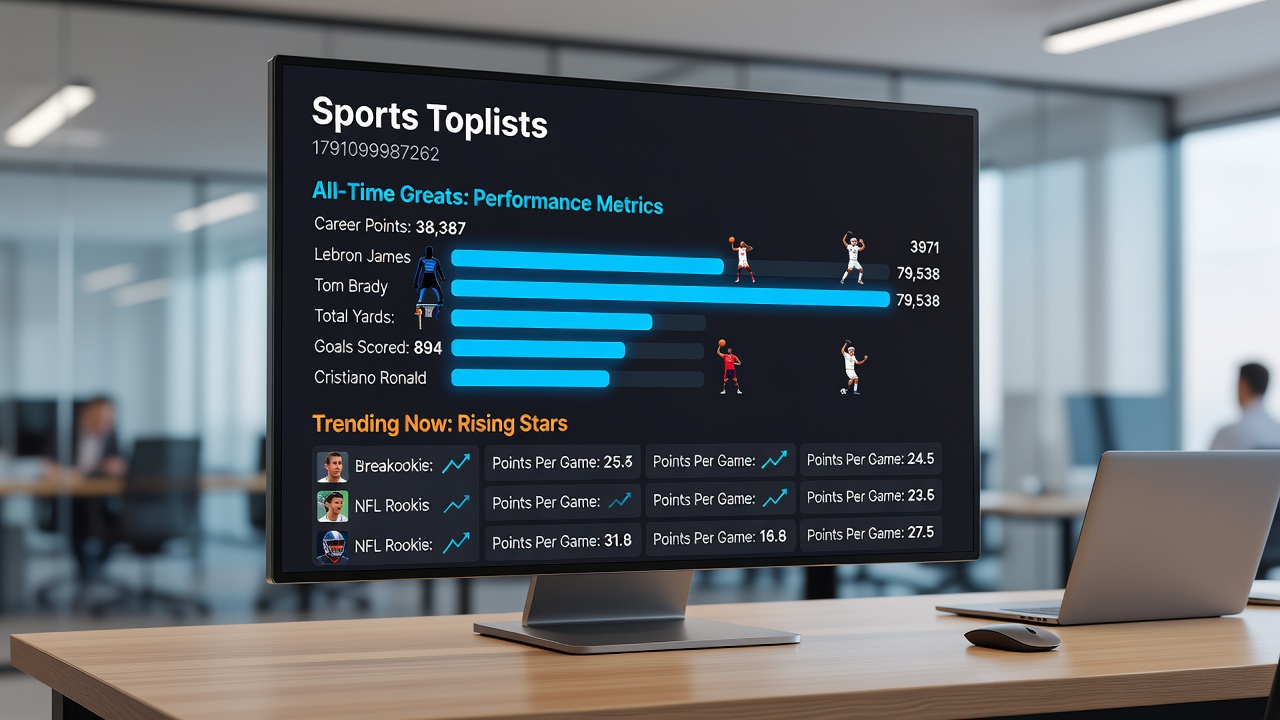
Case examples from prior seasons illustrate how federations adjust toplists following rule clarifications, such as revised scoring in combat sports that retroactively affected accumulated tallies without altering historical records, and similar adjustments continue to shape current standings as new guidelines take effect. Researchers at institutions like the University of Toronto have documented these processes in reports on sports governance, highlighting the role of centralized databases in maintaining transparency across borders.
Integration of Multi-Sport Events
Multi-sport events generate temporary toplists that merge data streams from several disciplines into unified overviews, with the International Olympic Committee overseeing aggregation methods that prioritize comparable metrics like time, distance, or points scored, while separate sport-specific bodies retain authority over final validations. In October 2026 preparations, such integrations support preliminary assessments ahead of qualification deadlines, allowing federations to identify emerging patterns in performance data across continents.
Cross-border coordination requires adherence to data protection standards set by various national agencies, ensuring that athlete information remains secure during transfer between regional offices and headquarters, and this framework prevents unauthorized alterations to toplist entries. Industry groups including the Global Association of International Sports Federations provide training resources that standardize these procedures for member organizations worldwide.
Conclusion
Sports toplists function as structured records derived from verified performance data managed by international federations, regional commissions, and event organizers, with ongoing refinements to data pipelines supporting accurate updates through late 2026. These systems reflect coordinated efforts across governing structures that prioritize consistency and auditability in ranking methodologies.